Source Sealed Floating Oil Tracked Undercarriage for Excavators, Drilling, Hoisting
Find and compare sealed floating oil tracked undercarriage components for 30 available models. Evaluate options for excavators, drilling machines, and hoisting machinery based on hydraulic drive, steel construction, and customization needs.
Key considerations
Products List


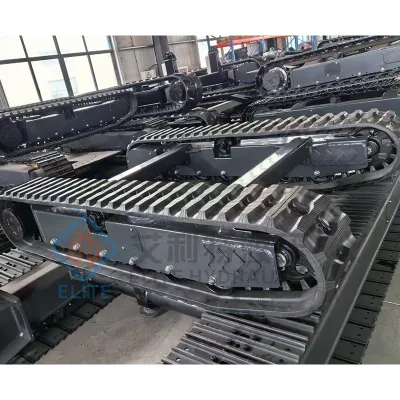


Comprehensive Sourcing Guide
Sealed Floating Oil Tracked Undercarriage Sourcing Guide
Sourcing sealed floating oil tracked undercarriages requires a disciplined approach to technical verification and supplier qualification, particularly when dealing with heavy-duty construction and mining equipment. These components are critical for the mobility and stability of excavators, drilling machines, and hoisting machinery, where failure can lead to significant operational downtime. The core technology relies on a hydraulic or electric drive system that powers the track chain, ensuring consistent movement under extreme loads. Buyers must recognize that these undercarriages are not generic parts but highly engineered systems designed for specific machine weights, ranging from 1 to 120 tons, as indicated by observed market listings.
The procurement process involves navigating a complex landscape of customization options, material specifications, and certification requirements. While many suppliers offer standardized models, the ability to customize interfaces, speeds, and colors is a key differentiator in the market. Buyers should focus on verifying the robustness of the design, which often features modular construction to facilitate maintenance and repair. Understanding the distinction between steel and rubber track options, as well as the specific drive types available, is essential for matching the undercarriage to the intended application, whether it involves high-wear environments or precision drilling operations.
Product Scope and Observed Listing Signals
The market for sealed floating oil tracked undercarriages encompasses a wide range of models tailored to different machine capacities and operational demands. Observed listings indicate a strong presence of models such as UT, QR-10T, KL, QL, QR-6T, and HFT-S, each designed for specific weight classes and performance profiles. These products are primarily applied to excavators, hoisting machinery, and drilling machines, reflecting their versatility in heavy industrial settings. The condition of these parts is consistently listed as new, ensuring that buyers receive components with full operational life and warranty coverage, rather than refurbished or used units that may carry hidden wear risks.
Material composition and structural design are critical signals when evaluating product listings. The undercarriages are typically constructed from steel, with some variants incorporating rubber for specific traction or noise reduction needs. The frame is predominantly steel, providing the necessary rigidity to withstand the torsional forces generated during operation. Key components such as sprockets are made from alloy steel, while idlers are sealed with floating oil to enhance durability and reduce maintenance frequency. Buyers should pay close attention to these material specifications, as they directly impact the wear resistance, heat resistance, and tear resistance of the undercarriage in demanding environments.
Technical Specifications to Verify
Verifying the technical specifications of the undercarriage is the most critical step in the sourcing process, as mismatches can lead to catastrophic failures. Buyers must confirm the nominal diameter of the track components, which typically ranges from 13mm to 50mm, depending on the machine size. The compression strength is often rated as heavy-duty, indicating the component's ability to handle high loads without deformation. Additionally, the drive type, whether final drive or hydraulic drive, must match the machine's powertrain configuration. Customizable speed options and mounting methods with custom interfaces are available, allowing for precise integration with existing machinery.
The design of the undercarriage should be robust and modular, facilitating easier inspection and replacement of individual components. The track chain is produced using a higher precision casting process, which ensures consistent link geometry and reduces the risk of premature wear. Idlers are sealed with floating oil, a feature that prevents contamination and extends service life by maintaining optimal lubrication. Buyers should also verify the availability of optional track chain guards, which provide additional protection against debris and impact damage. Video outgoing-inspection services are provided by some suppliers, offering a visual verification of the product's condition before shipment.
Compliance and Safety Documentation
Compliance with international standards is a non-negotiable requirement for sourcing heavy machinery components. Buyers must ensure that the supplier holds valid ISO 9001:2008 certification, which demonstrates a commitment to quality management systems and consistent manufacturing processes. Additionally, CE certification is often required for products intended for use in regions with strict safety regulations, such as the European Union. These certifications provide assurance that the undercarriage meets specific design and manufacturing criteria, reducing the risk of non-compliance-related legal or operational issues.
Safety documentation should include detailed technical manuals, maintenance guidelines, and warranty terms. Buyers should request evidence of the supplier's quality control processes, including material testing reports and assembly inspection records. The use of standardized packaging, such as strong pallet packages or wooden cases, is essential to prevent damage during transit. Buyers must verify that the packaging method aligns with the product's weight and dimensions, ensuring that the undercarriage arrives in pristine condition. Clear labeling and handling instructions should also be included to guide proper installation and storage.
Cost Drivers and Commercial Terms
The cost of sealed floating oil tracked undercarriages is influenced by several factors, including material quality, manufacturing complexity, and customization requirements. Buyers should expect a wide price range, from affordable standard models to high-end customized solutions, reflecting the diverse needs of the market. The minimum order quantity (MOQ) is typically low, often starting at just one piece, which allows for flexible procurement strategies. However, buyers should be aware that customization, such as specific interface designs or color options, may incur additional costs and longer lead times.
Commercial terms, including delivery time and payment conditions, vary among suppliers. Observed lead times are approximately 15 days for standard orders, but this can extend for customized or high-volume requests. Buyers should negotiate clear delivery schedules and penalty clauses for delays to mitigate operational risks. Payment terms should be structured to protect the buyer's interests, such as using escrow services or partial payments upon delivery. Understanding the total cost of ownership, including maintenance and replacement part availability, is essential for making informed procurement decisions.
Supplier Qualification and Quality Control
Supplier qualification is a critical step in ensuring the reliability and performance of the sourced undercarriages. Buyers should conduct thorough due diligence on potential suppliers, verifying their manufacturing capabilities, quality control processes, and track record. Suppliers with ISO 9001:2008 certification are preferred, as they demonstrate a commitment to consistent quality. Buyers should also assess the supplier's ability to provide customization services, including design modifications and interface adaptations, to meet specific machine requirements.
Quality control measures should be implemented throughout the procurement process, from initial sampling to final delivery. Buyers should request detailed inspection reports and, if possible, conduct third-party inspections to verify product quality. The use of video outgoing-inspection services can provide valuable insights into the product's condition before shipment. Buyers should also establish clear communication channels with the supplier to address any issues promptly. Building a long-term relationship with a qualified supplier can lead to better pricing, priority service, and improved product quality over time.
Long-Term Procurement Checks
Long-term procurement success depends on continuous monitoring and evaluation of supplier performance and product quality. Buyers should establish key performance indicators (KPIs) to track delivery times, product quality, and customer service responsiveness. Regular audits of the supplier's manufacturing facilities and quality control processes can help identify potential issues before they impact production. Buyers should also stay informed about industry trends and technological advancements to ensure that their procurement strategies remain competitive and effective.
Maintenance and support are critical components of long-term procurement. Buyers should ensure that the supplier provides comprehensive technical support, including troubleshooting guides and spare part availability. Regular maintenance schedules should be implemented to extend the life of the undercarriage and prevent unexpected failures. Buyers should also consider the environmental impact of their procurement decisions, seeking suppliers who adhere to sustainable manufacturing practices. By focusing on long-term relationships and continuous improvement, buyers can optimize their procurement outcomes and achieve greater operational efficiency.
FAQs
What is the standard packaging for these undercarriages?
The standard packaging includes wrap film, pallets, or wooden cases with strong pallets. This ensures safe export shipping and protects the steel components during transit to international destinations.
Can I request a customized design for this undercarriage?
Yes, customized designs are available to meet specific operational needs. Buyers can request tailored specifications while maintaining the robust and modular design features inherent to the product.
What certifications do these hydraulic undercarriages hold?
These products hold ISO9001:2008 and CE certifications to ensure quality and safety standards. The manufacturing process adheres to strict quality control measures verified by these recognized international standards.
How long is the delivery time for new units?
The typical delivery time is 15 days for new units. This lead time applies to standard orders and may vary slightly depending on the specific customization requirements and current production schedules.
Which drive modes are available for these crawler undercarriages?
Available drive modes include hydraulic drive and electric drive options. These configurations support various applications such as excavators and hoisting machinery with high durability and wear-resistant features.
What is the minimum order quantity for these products?
The minimum order quantity is one piece for most configurations. This low MOQ allows buyers to test the product quality before committing to larger orders for their machinery fleets.
Can I verify the product quality before shipment?
Yes, video outgoing-inspection is provided to verify product quality before shipment. This service allows buyers to visually confirm the condition and specifications of the steel tracked undercarriage.